
Think All Siding Works in the Same? Think Again…
August 29, 2025

If you’ve spent even one summer in Greenville, NC, you know our weather has a mind of its own – steamy humidity, surprise afternoon downpours, the occasional blustery system sweeping up from the coast, and just a hint of salt in the air after big storms. All that moisture, wind, and occasional salt exposure is tough on a home’s exterior. The right siding doesn’t just look good – it keeps moisture out, provides protection from the wind, and helps your home run more efficiently.


This post breaks down the best siding options available to handle our humid, storm‑prone, coastal homes realities best – so you can choose something beautiful, energy saving and built to last.


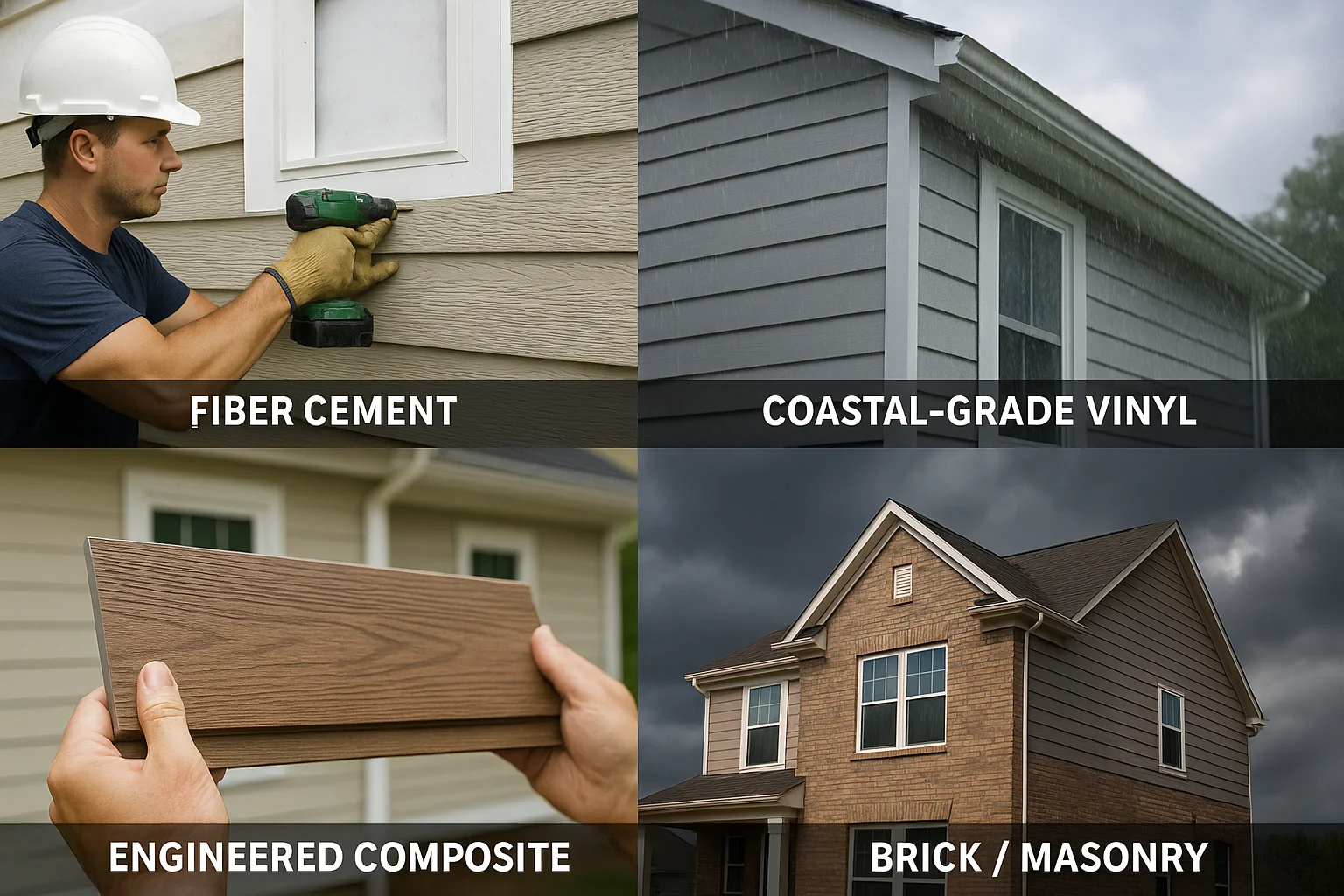
TL;DR: For most homes here, fiber cement siding leads for durability and weather resistance; coastal-grade vinyl siding balances cost and performance; engineered composites deliver a warm “wood” look without the wood headaches; and brick is the longevity champ if budget allows.

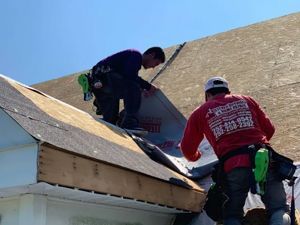
Two pairs of feet stand on a tiled sidewalk with the words
A collage showing four types of home siding: fiber cement, coastal-grade vinyl, engineered composite, and brick/masonry.

What Greenville weather throws at your siding

Humidity & moisture

Greenville sits squarely in a humid subtropical zone with hot, muggy summers and moderate, humid winters (Allura USA, WeatherSpark). Annual rainfall averages nearly 50 inches – August alone often brings heavy rain-focused thunderstorms (Wikipedia)meaning frequent wet/dry cycles. That’s all a recipe for mold, swelling, and rot – unless, of course, your siding and weather-barrier details are up to the task.

Wind & storms

We get our fair share of strong thunderstorms and the leftovers of tropical systems, for instance, Hurricane Floyd in 1999 flooded many homes overnight. Some residents even swam up to their doors to safety (James Hardie, Wikipedia). Siding must handle heavy rain and the occasional wind-driven water without warping, cracking, or letting water sneak in.

Salt air corrosion (a little, but not nothing)

We’re not right on the coast, but we’re close enough to the Inner Banks, that storm systems can carry in mild salt exposure. Setting up your home for long-term resilience means choosing materials built for coastal‑grade performance.

Top siding options for Greenville’s climate

Fiber Cement

  • Why people choose it: Durable and moisture-resistant, fiber cement is widely regarded as the best siding for humid coastal areas (Renoworks). A popular brand like James Hardie (Hardie Board) offers baked-on ColorPlus® finishes for fade resistance and regional performance via HardieZone® engineering (Wallcraft Exterior Solutions).
  • Durability: Excellent – resists mold, rot, pests, fire, and wind; 40 – 50+ year lifespan when installed and maintained properly. (Home Genius Exteriors, Southern Living).
  • Maintenance: Very low – usually just an occasional wash.
  • Local Fit: Perfect siding options – superior for our humid climate, storms, and minor salt-air. Worth the upfront cost for long-term peace of mind.

Vinyl (Coastal-Grade)

  • Why people choose it: Lightweight, affordable, low-maintenance. Coastal-grade vinyl is more rigid and offers better resistance to moisture and wind (Columbia Contracting LLC, Renoworks).
  • Durability: Good – can warp in extreme heat or crack in severe impact conditions (Renoworks, The Spruce).
  • Maintenance: Easy – simple cleaning does the trick.
  • Local Fit: A budget-friendly choice for homeowners looking for energy-saving siding options with decent moisture resistance. Just be sure to choose sturdier, coastal-rated panels.

Engineered Composite (Engineered Wood/Composite Siding)

  • Why people choose it: Mimics the natural look of wood but crafted to resist moisture, pests, and mold (Southern Living, Renoworks).
  • Durability: Better than traditional wood in our climate; benefits from requiring only occasional upkeep.
  • Maintenance: Moderately low – expect resealing or repainting every few years.
  • Local Fit: Homeowners who want a rich, classic “wood” look but need a long-lasting quality installation.

Brick / Masonry

  • Why people choose it: Exceptionally durable, fire-resistant, and virtually maintenance-free (Renoworks, Southern Living).
  • Durability: Outstanding – 50+ years (often well over a century) with proper detailing, even in harsh climates.
  • Maintenance: Very low – occasional cleaning or tuckpointing.
  • Local Fit: Ideal for long-term durability, though installation costs can be high. Great as an accent or full exterior upgrade if budget allows.

Side-by-side comparison

Material

Moisture Resistance

Wind/Storm Resistance

Salt-Air Durability

Maintenance

Typical Lifespan

Fiber Cement

Excellent

Excellent

Excellent

Very Low

40 – 50+ years

Coastal-Grade Vinyl

Good

Good

Fair–Good

Low

20 – 30 years

Engineered Composite

Good

Good

Good

Moderate

25 – 35 years

Brick / Masonry

Excellent

Excellent

Excellent

Very Low

50+ years (100+)

Local installation tips

Professional Installation Matters: Fiber cement and brick require crews with expertise – handling and fastening techniques matter for durability (Wikipedia).


Choose coastal-rated fasteners. Stainless steel or hot-dipped galvanized helps prevent corrosion in damp, mildly salty conditions.


Seal and flash like you mean it. Pay special attention at joints, corners, and around windows and doors to protect from wind-driven water.


Build in drainage & drying. A breathable house wrap and a rainscreen gap allow trapped moisture to escape – huge for long-term performance in our humidity.


 A quick local experience: Last July, my neighbor, Ms. Carter, gave her Tar River–side bungalow a weather-ready refresh: coastal-grade vinyl, crisp kick-out flashing, and stainless fasteners. Several weeks later a classic Greenville gully-washer rolled through – wind howling, gutters overflowing, rain driving sideways. We stood on her porch, each waiting for the telltale drip. Nothing. The panels stayed tight, the porch beams were bone-dry, and the only thing creaking was her rocking chair. Ms. Carter laughed, waving the towel she didn’t need: “Guess this is staying in the drawer.” The siding installation mattered – but the invisible details did the heavy lifting: proper flashing, sealed penetrations, and corrosion-proof fasteners. Little details, big (dry) difference!

Energy efficiency & everyday comfort

If trimming energy bills to save money is a priority, consider insulated siding (often vinyl with foam backing). It adds R-value (roughly 2.0 – 5.5, or up to ~7.5 with an added fan-fold foam layer), reduces heat transfer, quiets street or outside noise, and can help smooth out dents or warping (Wikipedia) in the panels.

Benefits for homeowners in Greenville, North Carolina:


  •    Lower cooling costs in long, hot summers and better winter comfort with lower heating bills.
  •    A quieter home (nice when thunderstorms roll through).
  •    Cleaner lines, stronger curb appeal, and a higher resale value with smart, efficient upgrades.

Wrapping up (and what we recommend)

  •    Top all-around pick: Fiber cement (especially Hardie Board) – best blend of moisture resistance, durability, energy-saving and long-           term value in our climate.
  •    Strong value choice: Coastal-grade vinyl – budget-friendly, excellent moisture resistance with good performance if you choose the           sturdier panels.
  •    Warm, classic look: Engineered composite – more resilient than wood with that timeless charm.
  •    Lifetime style upgrade: Brick/masonry – costlier up front but ultra-low upkeep for decades.
  •    Home improvement: If energy savings and insulation are priorities, insulated siding may be a smart product add-on.

Ready to explore your options? Reach out for a free local siding consultation from our experts – we’ll walk you through specific options suited to our humid, storm-prone, coastal climate. With regional expertise and installation know-how, you’ll know you’re making a decision that’ll last for decades. Plus, we offer competitive pricing and flexible financing options to make your siding project a reality.

steven-drywall-&-home-repair-why-do-gutters-need-to-be-cleaned
March 19, 2026
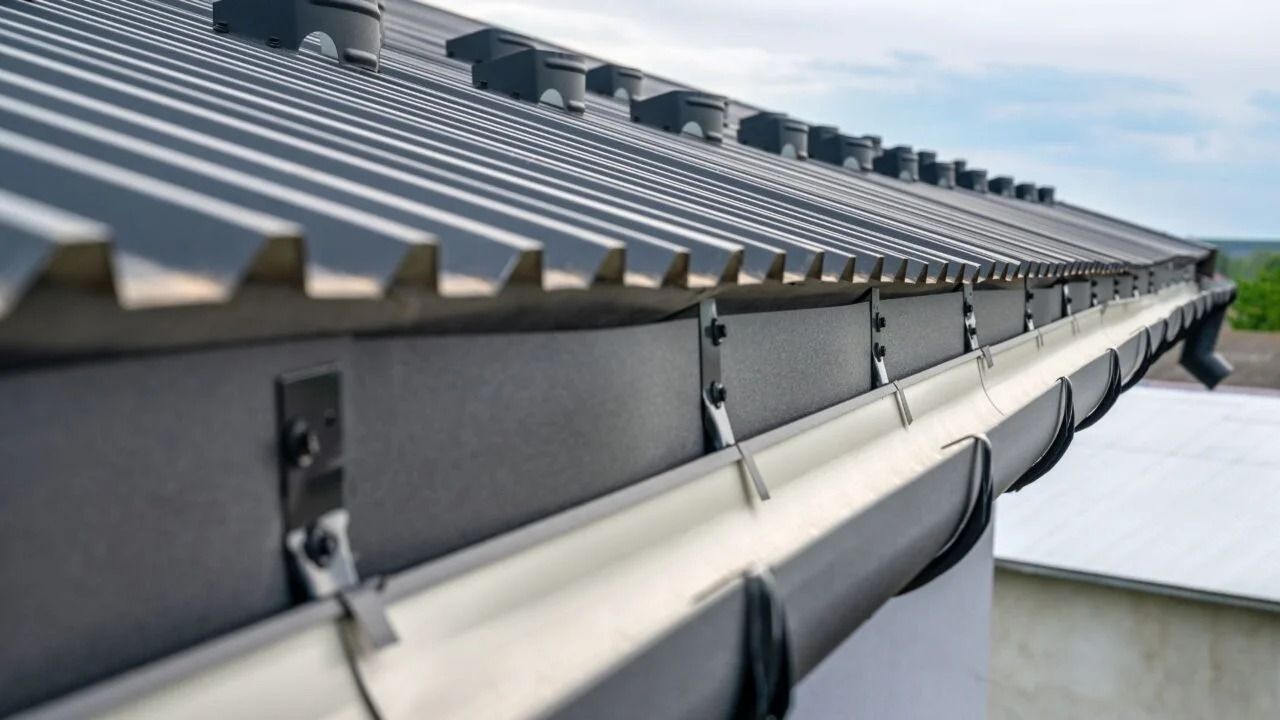
When was the last time you looked up at your gutters? If you’re like most Greenville homeowners, gutter cleaning may not be at the top of your weekend to-do list. Let’s be honest, during the summer, your mind is on summer camps, keeping the kids entertained and counting the days to school. In the fall, it’s soccer season, and let’s not forget football in here. Let’s go PIRATES! While you’re busy with other things, your gutters are working hard. Seven-day rain stretches are not uncommon here in Greenville, NC . So, clean gutters are critical to protecting your home. We want you to take this matter seriously. So, in this guide, we’ll cover  why gutters need to be cleaned what happens if they’re ignored How often you should schedule your gutter maintenance.
steven-drywall-and-home-repair-gutter-soffit-and-fascia-replacement-greenville-nc-homes
By sszot December 7, 2025
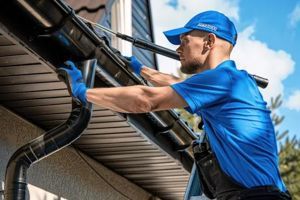
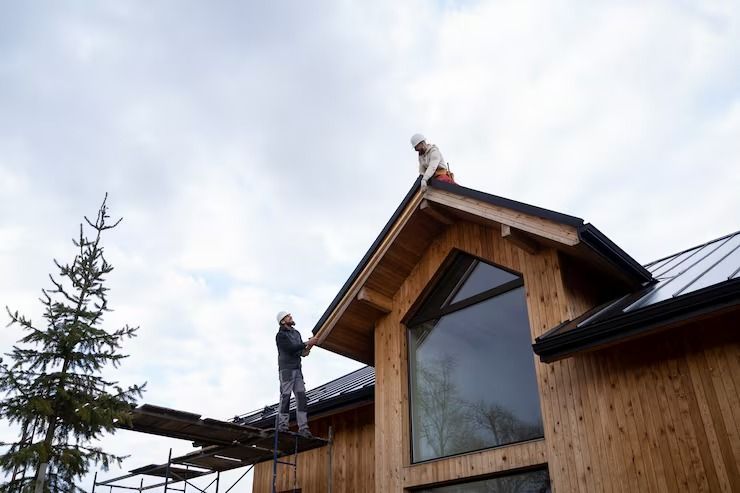
If you own a home in Greenville NC, you depend on your roof to keep out wind and rain. But your roof does not work alone. Your gutters, soffits, and fascia move water away and protect the edges of your home. When one of these parts fails, your home can start to rot, stain, or leak. That is when many homeowners start to look into gutter soffit and fascia replacement Greenville NC companies offer.  This simple guide explains what each part does, how to spot trouble, and what to expect when you call Steven Drywall and Home Repair.
steven-drywall-and-home-repair-holiday-roof-safety-tips-greenville-nc
By sszot November 14, 2025
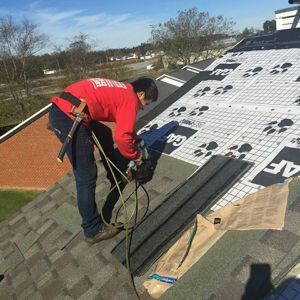
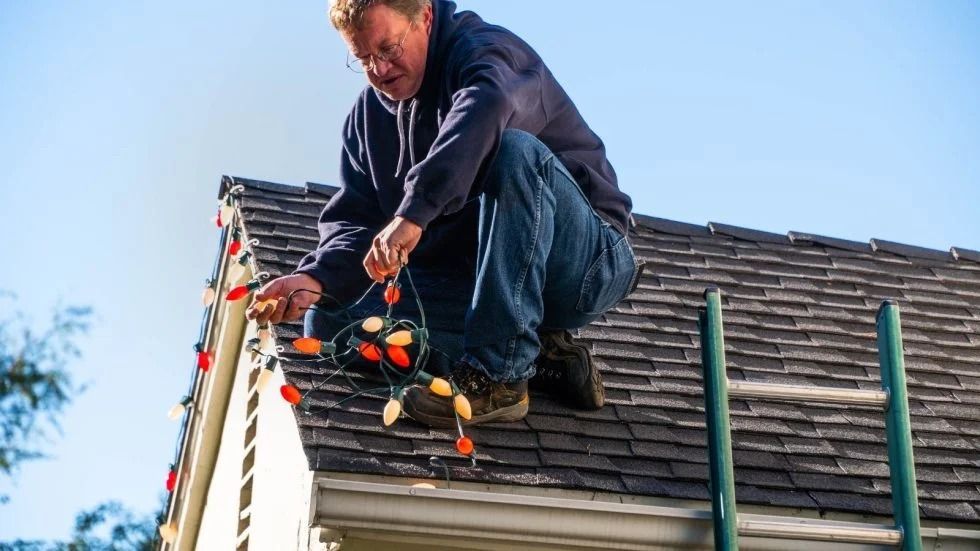
It’s that time of year again. THE HOLIDAYS!!! I love this time of year. The lights, the dinners, and getting ready for the family to visit. Let’s not forget the abundance of football games. In all the fun, it’s easy to forget about holiday roof safety . One small mistake on a ladder or on the roof can lead to a fall, broken shingles, or leaks right in the middle of the season. Thus, running your holiday cheers.  With a few simple steps, you can keep your roof, your gutters, and your family safe in Greenville, Winterville, Ayden, Grimesland, and across Pitt County .
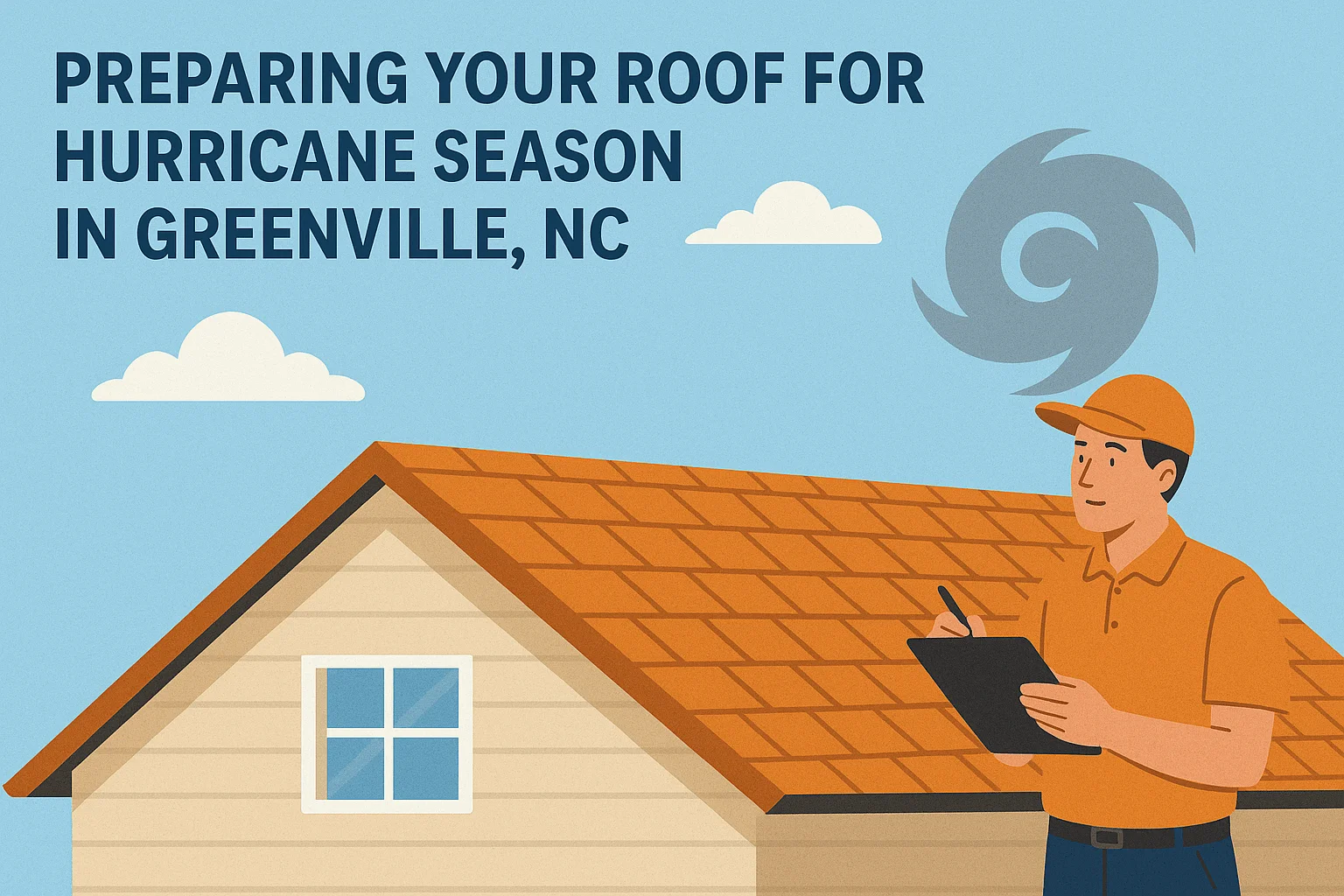
steven-drywall-and-home-repaird-10-smart-tips-for-preparing-your-roof-for-hurricane-season-in-greenv
By sszot October 5, 2025
Why Roof Prep Matters in Greenville, NC
steven-drywall-&-home-repair-top-5-signs-you-need-gutter-repair-in-greenville-nc
July 25, 2025
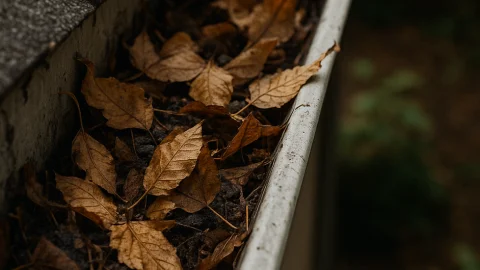
When the rain falls in North Carolina, it doesn’t just tap gently on rooftops; it rushes, it pounds, it lingers. And for homeowners in Greenville, that rain can be both a comfort and a curse. The gutters that guard your home, quiet, unnoticed, carry the weight of every storm. Until they can no longer.